
What "kurma tangkai" actually costs to handle
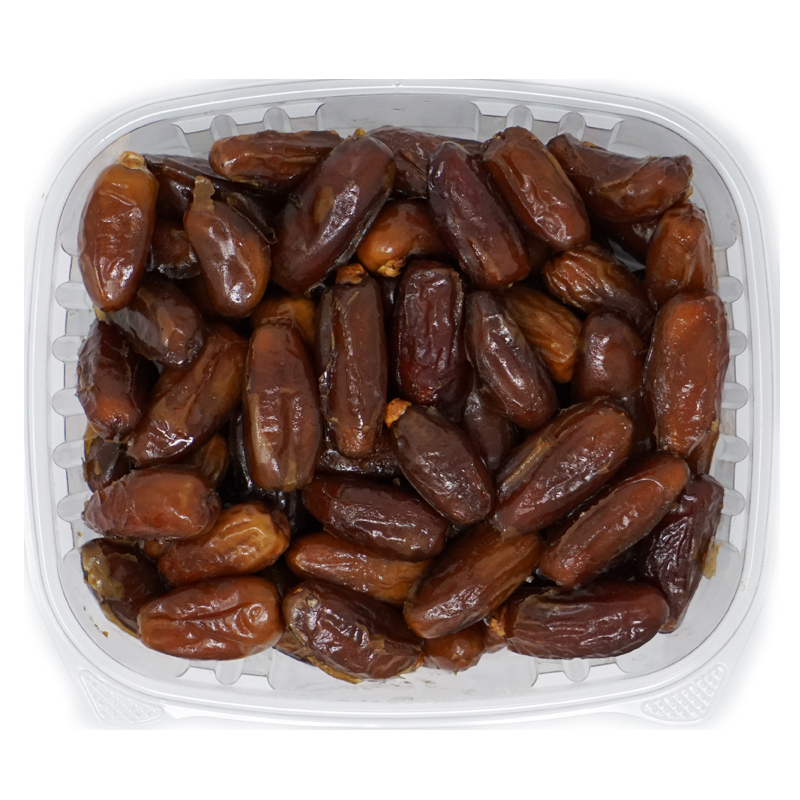
Kurma Tangkai is dates sold with the stem still attached. That one detail changes almost everything about how a distributor moves it. Stem-on fruit bruises easier, takes up more space per kilogram, and loses moisture faster than loose dates because the stem end stays exposed. A distributor who treats Kurma Tangkai the same way they handle loose dates ends up with a higher spoilage rate and unhappy retailers.
Inside a distributor's day-to-day
Most of what a distributor does never reaches the customer's eye. It happens in the warehouse.
Batch tracking
Every incoming lot gets a batch code tied to harvest date and supplier. If a retailer reports soft or fermenting fruit, the distributor traces it back to that batch and pulls the rest of it before it reaches more shelves.
Temperature bands, not one fridge setting
Tangkai dates hold up best between roughly 15 to 20 degrees Celsius with moderate humidity. Too cold and the stem dries out and snaps in transit; too warm and the fruit sweats and turns sticky. A distributor running a single cold room for everything is cutting a corner somewhere.
First in, first out
Stock rotation sounds basic, but it is the single biggest lever against write-offs. Older batches go out first, even if a newer batch looks nicer sitting on the pallet.
Where the distributor sits in the chain
Growers and importers bring in the fruit; distributors are the layer that turns a container of dates into stock sitting in a hundred different shops. That means relationships on both ends — sourcing terms with suppliers, and delivery schedules with retailers who don't want to hold more inventory than they need. Get either side wrong and the fruit sits too long, which for tangkai means moisture loss and a lower shelf price. Buyers who want high-quality dates are really paying for a distributor that got both ends of that chain right.
How to tell a competent distributor from a middleman
A few questions cut through most of the marketing language:
Ask how they store tangkai specifically, not just "cold storage" as a blanket answer. Ask whether they can trace a batch if something goes wrong. Ask how fast their stock turns over — a slow-moving warehouse means older fruit no matter what the label says.
Where to actually buy it
Pasar malam stalls and wet-market vendors often get tangkai dates fresh with the stem intact, usually from smaller local runs. Specialty dried-fruit stores tend to work with reputable dates distributors and can tell you the origin and harvest window on request — worth asking, since that's the information a batch code is meant to preserve.
For a breakdown of how grade affects price across varieties, see our grading systems guide. Our piece on decoding kurma prices goes deeper into how those grades translate to shelf price, and Malaysia's kurma suppliers looks at the sourcing side of the same chain.