
Distribution is where most date safety problems actually start
Dates rarely go bad on the farm or in the packet — they go bad in between, sitting in a warehouse or a delivery van at the wrong temperature for too long. For a distributor moving stock between suppliers and retailers, the compliance work that matters most happens off the shop floor entirely.
Warehouse conditions by variety, not by blanket rule
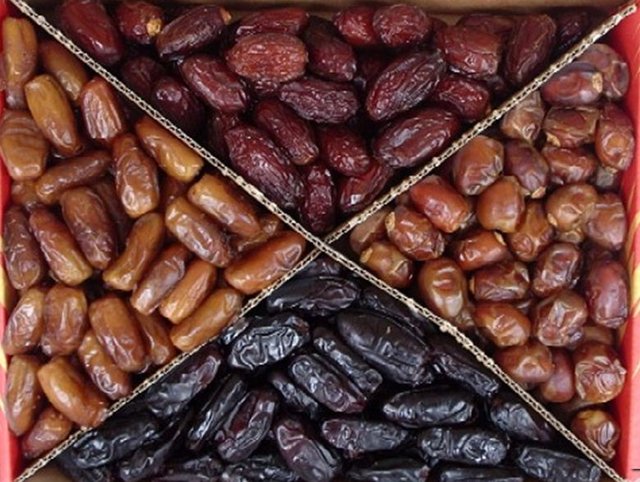
Soft varieties like Mazafati and Mariami hold more moisture and spoil faster in heat than drier types such as Deglet Noor or Zahedi — a single warehouse temperature setting that is "fine" for one variety can be too warm for another sitting on the next shelf. A cool, dry store, ideally with humidity logged rather than guessed at, protects the soft stock without doing any harm to the dry stock. Malaysia's climate makes this harder than it sounds: ambient humidity alone can undo careful packaging if pallets sit near a loading-dock door for half a day.
First in, first out — enforced, not assumed
FIFO sounds obvious until a new delivery gets stacked in front of the old one because it is closer to the door. A distributor handling multiple batches from multiple suppliers needs batch numbers marked clearly enough that a warehouse worker can act on them without checking a spreadsheet first. As a pemborong kurma (date wholesaler) running its own warehouse will confirm, stock rotation failures are one of the most common — and most avoidable — sources of spoiled inventory.
Pest control is a scheduled task, not a reaction
Dried fruit attracts specific pests, and an infestation found late usually means an entire pallet is unsellable rather than a few units. Regular scheduled inspection — not just a call to pest control after something is spotted — catches problems while they are still confined to one corner of the warehouse. Keep pallets off the floor on proper racking; ground-level storage is where most pest and moisture problems begin.
Packaging choices for transit, not just for the shelf
Corrugated cartons with interior liners handle multi-stop delivery runs better than the thinner poly bags meant for final retail display — the difference shows up as crushed or leaking product after the third stop of the day, not the first. If a distributor is repacking product from bulk into smaller units along the way, that repacking step needs its own hygiene and labelling discipline; it is a second point where a batch number can get lost if nobody is tracking it deliberately.
Distributors setting up a supplier relationship from scratch should also read discovering the best dates wholesaler in Malaysia, which covers what to look for upstream before stock even reaches the warehouse, and decoding harga kurma for how grade and condition affect the price a distributor should actually be paying. For context on which varieties are sourced locally versus imported — relevant to how far a batch has already travelled before it reaches a Malaysian warehouse — see Malaysian kurma: local gems and imported delights.