
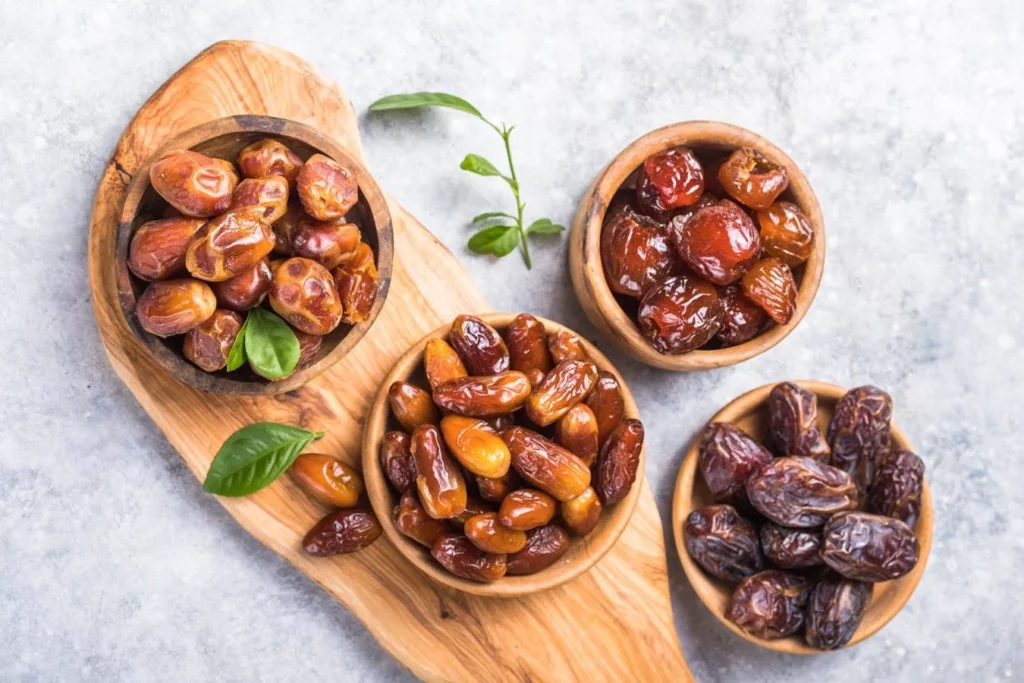
Why "supplier" and "distributor" aren't the same job
A kurma supplier sources the fruit — deals directly with growers or exporters in Saudi Arabia, Iran, or Tunisia. A kurma supplier in Malaysia that also distributes is doing a second job on top of that: getting stock from a bonded warehouse in Port Klang or KLIA to a retailer's shelf in Kuching or Kota Kinabalu without the fruit drying out, crushing, or missing the Ramadan window it was bought for. Both jobs matter, but they fail in different ways, and it's worth knowing which one you're actually evaluating when you pick a partner.
Klang Valley coverage looks nothing like East Malaysia coverage
A distributor with a van fleet running daily routes across Selangor and KL can turn around an order in 24-48 hours. The same order to Sabah or Sarawak usually goes by air freight or a slower sea route, and the cost structure changes with it — East Malaysia retailers typically order larger quantities less often specifically to absorb that shipping lag. If a distributor quotes one flat delivery timeline for the whole country, ask how they actually get stock across the South China Sea; "we'll sort it out" isn't a logistics plan.
Cold chain isn't optional in the tropics
Malaysia doesn't have a dry season kind climate for date storage — humidity sits above 70% most of the year in the Klang Valley alone. Dates transported without any temperature control will sweat inside sealed cartons, and that moisture is what triggers mould on the softer varieties like Medjool. A distributor moving serious volume runs refrigerated trucks or at minimum insulated, ventilated packaging; ask which one, because the answer tells you whether your stock survives a delayed delivery.
Order volume changes what you should ask for
Small retailers and home resellers
Buying 5-20kg at a time, the main risk is running out mid-Ramadan when a distributor's own stock is tight and they prioritise their bigger accounts first. Lock in a standing weekly order before the fasting month starts rather than ordering ad hoc — distributors plan their import volumes around confirmed demand, and a last-minute request in week two of Ramadan often gets whatever's left.
Hotels, bakeries, and catering kitchens
Volume buyers care less about price per kilo and more about a distributor's ability to hold a consistent spec — same grade, same moisture level, same size — across a six-month contract. Ask for a sample from three separate delivery batches before committing; if the third batch looks and tastes different from the first, the distributor is switching sources without telling you, which is a bigger problem than a price change would be.
What a delivery note should actually show
A proper delivery note lists variety, grade, weight, and batch or lot number — not just "dates, 1 box". The lot number matters if a batch ever needs tracing back (a damaged shipment, a quality complaint); without it, you can't tell which delivery a problem came from. Distributors who skip this on the paperwork are usually fine day-to-day, but they're the ones you can't get a straight answer from when something does go wrong. Our guide to date safety and compliance covers what documentation to expect at each step.
Packaging for the last mile
The final stretch from a distribution point to a retail shelf is where most physical damage happens — not in the sea or air freight, but in the delivery van. Loose dates in unlined cartons crush under their own weight if stacked more than a few boxes high; vacuum-sealed or tray-packed stock survives that stacking far better. If you're reselling and getting complaints about crushed or misshapen dates on arrival, the fix is usually on the distributor's packaging line, not the growing region.
Buying steadily rather than in panic-order spikes keeps a distributor's supply chain working the way it's meant to — see our note on rarer date varieties worth sourcing if you're looking to diversify beyond the usual Medjool and Ajwa lines, or check how sustainable wholesaling actually works before locking in a long-term contract.