
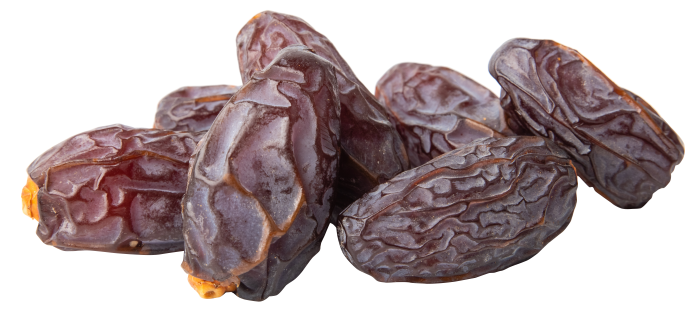
Most guides to choosing a dates wholesaler list the same virtues: quality, fair prices, reliable delivery. Every supplier claims all three. A distributor finds out which claims hold up by watching one thing over a full year, which is whether the wholesaler still has stock when everyone else wants it too. This article looks at the best dates wholesaler in Malaysia from that angle: the buying calendar.
Every carton in Malaysia has travelled
Malaysia has no commercial date-growing trade. Every kurma sold here, from a small pack at a pasar Ramadan stall to a pallet going to a hamper packer, is imported. That shapes everything a wholesaler does. Stock has to be bought abroad, shipped, cleared and stored before it can be sold, so what a wholesaler really sells you is their planning. Type "dates wholesaler Malaysia" into a search bar and you get a page of company names. The thing you need to find out is how far ahead each of them buys.
The supply side of the year
Most Gulf and Middle-East dates are harvested from late summer into autumn, roughly August to November. New-season stock then takes some weeks to reach Malaysia. A wholesaler who knows the trade can tell you, variety by variety, when this season's stock lands and how much of last season's is still in their cold room. Ask that directly. If the answer is "whenever the container comes", they are probably buying from someone else, and you are one more step away from the source.
The demand side of the year
Demand in Malaysia peaks before and during Ramadan. Hari Raya follows straight after, and there are smaller peaks through the year for weddings (hantaran trays), kenduri and umrah gifts. This site's article on festive-season demand for dates goes into the pattern in more depth. For a distributor the lesson is short. By the time a shortage shows on retail shelves, wholesale stock ran out weeks earlier. Book Ramadan quantities early and get them confirmed in writing.
Questions that test a wholesaler's planning
- Which varieties do you hold all year, and which only arrive with the new season?
- Can you hold a confirmed Ramadan quantity for me, and until what date?
- Can you deliver a large supply of dates every month inside a fixed delivery window, not just "sometime next week"?
- How do you store soft varieties such as Mazafati, which need refrigeration, compared with semi-dry ones like Mariami or Deglet Noor?
- What size range does each of your grades cover?
The last question matters because grades such as A, AA, AAA and Jumbo are each importer's own size sorting. There is no international standard behind them, so two wholesalers can both sell "AA" and mean different sizes. Get samples and compare like with like. The article on date prices and grading systems in Malaysia covers how grade feeds into price.
Price follows the calendar too
Quotes move with freight costs, the ringgit exchange rate and how much stock is left before the next season arrives. Keep a note of what you paid last season for a diverse selection of date varieties, and ask the wholesaler to explain any change. The wholesale price guide on this site explains why buying by the carton costs less per kilo than buying retail packs. A supplier who can walk you through a price change line by line understands their own costs. One who can't is probably reselling.
After the stock arrives
Planning doesn't stop at delivery. Rotate stock first in, first out. Keep cartons off the floor and away from warm walls, and move chilled varieties into the fridge the day they arrive. Malaysian heat and humidity are hard on dates left in a van or a stuffy storeroom, and the guide to storing and shipping kurma in the Malaysian climate (written in Malay) has practical detail on this.
The test that matters
From a distributor's chair, the best dates wholesaler in Malaysia is the one still answering the phone with stock in hand two weeks before Ramadan. Price, packaging and a nice website all come second to that.