
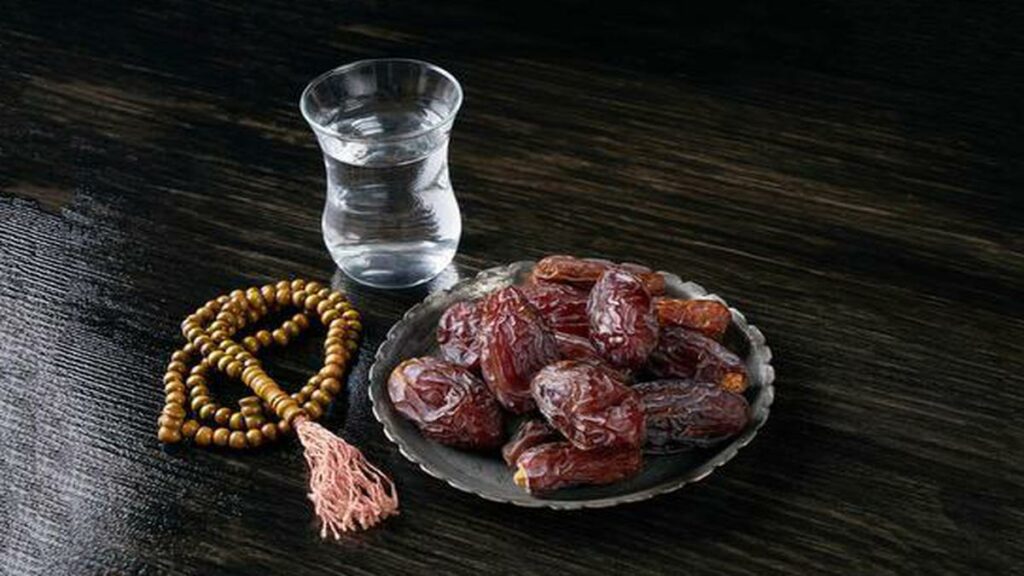
The distributor's job during festive season: keep every account stocked, not just the warehouse
Buah kurma demand doesn't rise evenly across a distribution network. Some grocers sell through their allocation in days; others, especially ones carrying a slower variety like Khudri, move stock at a steady pace all season. A distributor's job during Ramadan and the run-up to Eid isn't to guess overall demand — it's to allocate a limited supply across dozens of accounts without leaving any one of them empty two days before a peak weekend. That's a different problem from either retail-level demand or supplier-level sourcing, and it gets harder every year the calendar shifts.
Lead time is the real constraint, not shelf demand
A retail shopper decides to buy dates the week they need them. A distributor has to place the order with an upstream supplier 6-10 weeks before that, factor in shipping and customs clearance, then allocate stock to accounts based on each one's historical draw. If any one link in that chain slips — a container delayed a week, a supplier short on Ajwa — the distributor is the one absorbing the shortfall, usually by rationing across accounts rather than letting one grocer run out completely.
Safety stock changes shape before a festive peak
Outside festive months, a distributor might carry two to three weeks of safety stock per variety. Ahead of Ramadan, that buffer usually needs to widen, because a stockout in week two of the fasting month is far more costly — in lost sales and account trust — than the same stockout in an ordinary month. Widening the buffer means committing capital to inventory earlier, which is exactly the tradeoff a distributor has to plan for months ahead, not weeks.
Allocation rules matter more than total volume
When total supply falls short of total demand near the peak — which happens most years for the more sought-after grades — how the shortfall gets split across accounts matters as much as how much stock exists. Distributors who allocate by an account's historical order volume, rather than first-come-first-served, tend to keep long-term relationships stronger, because a smaller regular buyer isn't wiped out by one large opportunistic order placed late.
Reading the calendar correctly
Ramadan moves roughly 10-11 days earlier each Gregorian year, so the lead-time math a distributor used last season doesn't carry over automatically. A safety margin built around a mid-March order date last year may need to shift to early March this year to land stock with the same buffer before demand climbs. Distributors who rebuild this calendar fresh each year, rather than copying the prior year's schedule, are the ones who avoid the scramble in the final two weeks.
Variety mix shifts the allocation problem too
Medjool and Ajwa typically see the sharpest spike in orders going into Ramadan, while a steadier seller like Sukkari holds a flatter demand curve across the season. A distributor stocking a fixed ratio of varieties year-round will often find themselves overstocked on the flat sellers and undersupplied on the spike varieties right when it matters — adjusting the mix ahead of the season, not during it, is what keeps both problems from happening at once.
What this means for accounts placing orders with a distributor
Grocers and hamper businesses working with a distributor get better allocation outcomes by placing their festive-season order early and giving an honest volume estimate, rather than under-ordering and trying to top up mid-season when stock is already tight. A distributor can plan around a known number; it can't plan around a guess that arrives two weeks before Eid. For background on how distributors fit into the wider supply chain in Malaysia, and how wholesale pricing is structured across the season, see the wholesale dates pricing guide.