
Where the name "Kurma Nabi" comes from
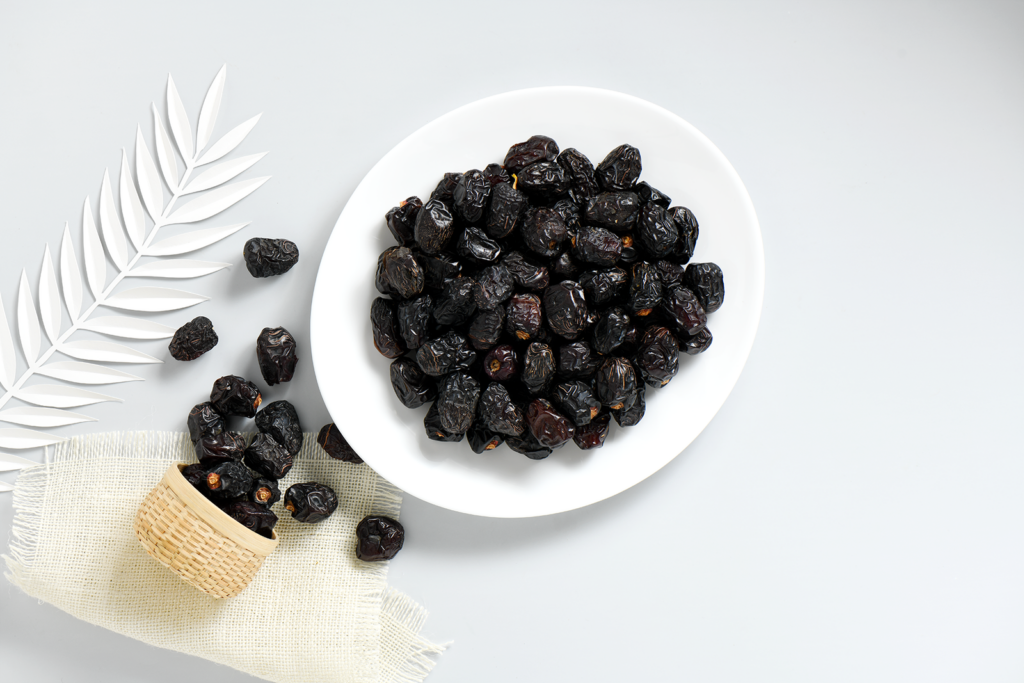
"Kurma Nabi" is the market name Malaysian buyers use for Kurma Nabi, Ajwa dates grown in and around Madinah. The name reflects a long-standing historical association with the city and its date groves rather than any claim about the fruit itself. Malaysian households have used the term for generations to mean specifically that variety, from that region, rather than "any dark date."
Why this variety carries weight at Ramadan
Across Malaysian Muslim households, Kurma Nabi is one of the varieties most commonly set aside specifically for Ramadan, bought ahead of the month and kept for breaking fast with family rather than eaten as an everyday snack. That pattern is as much social as practical: a box of Kurma Nabi is a common item on a hantaran tray, and giving it as a gift to relatives or neighbours during the fasting month is a habit passed down rather than something any one shop invented. A family that buys the same variety every year, from the same source, is often doing it because that's what their parents did.
A name that gets borrowed
Because "Nabi" is a recognisable and respected name, some sellers apply it loosely to any dark, soft date, which has made the term less reliable than it should be. Genuine Kurma Nabi is specifically Ajwa from the Madinah region: small, wrinkled, near-black skin, and a drier flesh than Medjool. A buyer who wants the real thing is better off asking a seller for the origin and harvest region directly than trusting the name on a label alone. Our pricing page for dates in Malaysia breaks down how Kurma Nabi is priced against other varieties that sometimes get sold under the same loose label.
Grading and how it affects what reaches a household
Kurma Nabi is graded mainly by size and skin condition. Whole, unblemished fruit is kept for retail sale and gifting; broken or softer pieces get sorted into a lower grade or pressed into date paste for baking and cooking rather than table use. That split matters for anyone buying with a hantaran tray or a hamper in mind. The fruit meant for presentation is a different grade from the fruit meant for a recipe, and a seller who understands the tradition will point out which is which without being asked.
Why supply tightens before Ramadan
Demand for Kurma Nabi in Malaysia follows the Islamic calendar closely, rising sharply in the weeks before and during Ramadan as households buy for iftar and for giving. Delivery lead times for premium dates stretch across the wider Gulf-to-Southeast-Asia supply chain in this window, not just for Kurma Nabi, which is part of why sellers who track the tradition closely tend to order well ahead of the month rather than close to it.
What this means for a Malaysian buyer
If you're buying Kurma Nabi for a traditional purpose (Ramadan stock-up, a hantaran tray, a gift for an elder), ask for the harvest region and grade rather than relying on the name alone, and buy early enough that you're not competing with last-minute Ramadan demand. See our guide on date prices and grading systems in Malaysia for how Kurma Nabi pricing compares with other imported varieties, and our overview of Kurma suppliers in Malaysia for how distribution channels differ between specialty grocers and general supermarkets.