
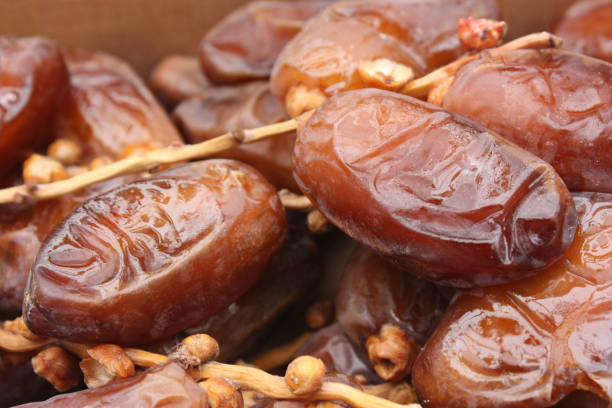
Kurma tangkai — dates left on the stem instead of stripped into a box — is one of the few SKUs where a dates distributor has to plan around a shelf life measured in days, not months. Boxed Deglet Noor or vacuum-packed Ajwa can sit in a warehouse for a season. A cut tangkai bunch starts dropping fruit within a week of harvest, whether or not it's sold.
Why the order window is so tight
Distributors who carry tangkai only bring it in for a short run — roughly the two to three weeks before Ramadan, and a smaller run before Hari Raya. Order too early and stems dry out on the shelf before the demand spike arrives. Order too late and you miss the window where kedai kurma and bazaar stalls are actively buying for display. Most of our tangkai movement happens in that pre-Ramadan window; outside it, buyers default to loose dates or boxed Medjool, which don't carry the same timing pressure — see current Medjool pricing for comparison.
That narrow window means tangkai isn't stock you hold — it's stock you move fast. A batch that sits more than a week in transit or storage arrives with visibly dried stems and loose fruit at the bottom of the box, which retailers will reject or discount on the spot.
Handling it differently from loose kurma
Bunches bruise and shed fruit if they're stacked or crushed in transit, so they need to travel upright, in single layers, not boxed flat the way loose dates are. That adds cost per unit moved — you fit fewer kilos of tangkai in the same truck space as loose dates packed tight. A distributor quoting tangkai at loose-date freight rates is either underpricing the run or planning to stack it, which shows up as bruised stock at delivery.
Temperature matters more here too. Loose dates tolerate a warm delivery van for a few hours without much visible change. A tangkai bunch left in heat for the same stretch will show the stem going brittle and fruit starting to soften unevenly by the time it reaches the retailer. For general storage and transport conditions across our range, see our guide on menyimpan dan menghantar kurma dalam iklim Malaysia.
What retailers should ask for at delivery
Stem should still bend, not snap. Fruit-to-stem coverage should be full, not patchy — patchy bunches have already shed stock somewhere between harvest and your loading dock, and you're being charged for stem weight that no longer carries fruit. And confirm the bunch weight quoted is fruit weight, not gross weight including the stem — the difference can run into several ringgit per kilo once the stem itself is deducted.