
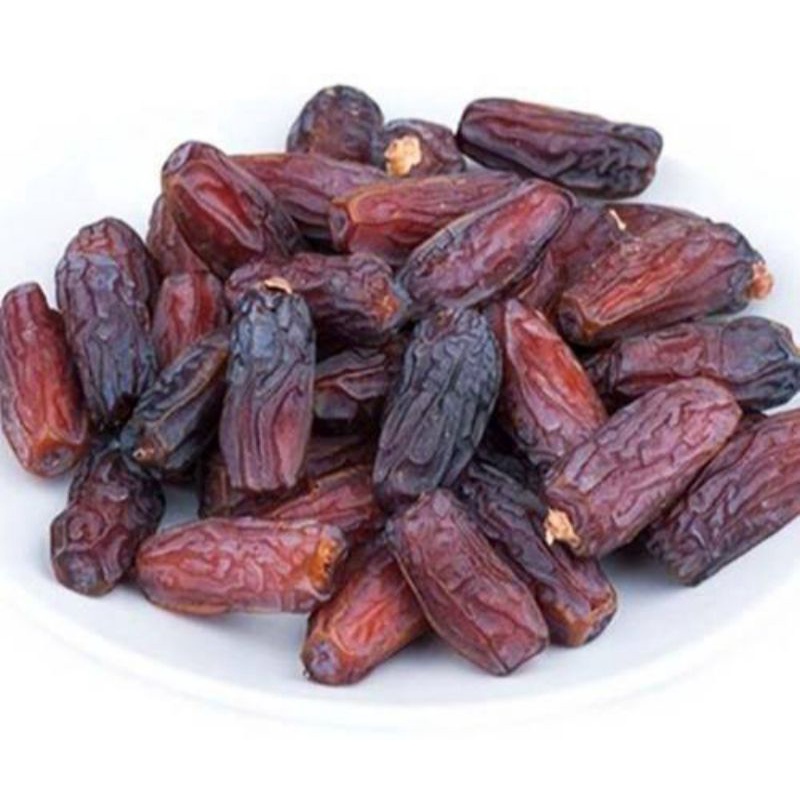
Buah kurma arrives at a distributor's dock in one of two states, and that state decides the whole delivery route from there. A fresh or dried dates shipment isn't just a taste choice for the end customer — it sets how far you can send it, how fast, and what shelf-life guarantee you can put in writing to a retail client.
Remaining shelf life is the real contract term
Most grocers and hypermarket buyers won't take stock unless a set percentage of shelf life remains on arrival — a common ask is 75% remaining. For dried kurma with a year-long shelf life, that's easy to hit even after a slow customs clearance. For fresh rutab-stage dates with a few weeks of shelf life total, a two-day delay at the border can knock a shipment below the threshold before it ever leaves the warehouse. Any distributor quoting delivery timelines needs to know which product they're moving before they promise a date.
Delivery radius changes with the product
Dried kurma travels the length of the peninsula without a hard deadline attached — Kelantan to Johor is a routing problem, not a spoilage risk. Fresh dates are a different job: they need a maintained cold chain the entire way, and every extra hour on the road eats into the customer's usable window. A distributor stocking both usually draws a tighter delivery radius for fresh orders and reserves the wider network for dried. Our guide on storing and shipping kurma in Malaysia's climate covers the temperature and humidity thresholds that make or break a fresh run specifically.
Why most distributors carry dried as the core SKU
Dried kurma is what lets a distributor promise a standing order — same product, same case count, delivered on a fixed schedule, with no risk of the batch turning before the retailer sells through it. Fresh dates work better as a pre-order line: taken against a confirmed date (a hamper run, a festive promotion), packed and moved fast, never held as buffer stock. Carrying fresh as backup inventory is how a distributor ends up writing off a pallet. See the role dates distributors play in this breakdown of the distribution chain for how that split between standing stock and pre-order lines usually works in practice.
Pricing the two differently
A retail client comparing a dried quote against a fresh quote is often comparing apples to a smaller, wetter apple — drying removes water weight, so a kilogram of dried fruit carries more actual date solids than a kilogram of fresh. Quote both on a landed-cost-per-kilogram-of-solids basis if you want the numbers to mean anything; the date prices and grading systems guide walks through how moisture content and grade move that figure. And whichever format ships, batch dates and storage conditions need to be documented and traceable end to end — see our compliance guide for what that paperwork should look like.
The short version for a new distribution route
Default to dried for anything without a confirmed sell-by date. Reserve fresh for routes with a cold chain already built in and a customer who has committed to a delivery window. Mixing the two into one undifferentiated delivery schedule is the fastest way to turn a good order into a spoiled one.