
For anyone spending the day on the road between deliveries, a fat loss day looks nothing like the version written for people with a kitchen and a lunch break. The whole thing has to survive being eaten in a car, standing up, or between stops.
Breakfast happens before leaving the house, because it won't happen after — a couple of boiled eggs and bread, eaten at home rather than from a drive-through on the way to the first drop-off. Once the route starts, food options narrow fast: petrol station snacks, mamak stalls near industrial areas, or nothing until the day is half over.
This is where a box of kurma kept in the glove box earns its place. Around mid-morning, when the first stretch of driving is done, three or four dates handle the sugar dip that would otherwise get solved with a can of the sweetened drinks sold at every petrol kiosk counter. They don't need refrigeration, don't melt in a hot car the way chocolate does, and a box lasts weeks without going off.
Lunch, when there's time for it, is whatever stall is nearest the next stop — usually rice with one protein and vegetables, eaten fast. When there isn't time, dates plus a bottle of water become the actual lunch, which isn't ideal every day but beats skipping the meal outright and arriving home starving at 7pm.
The last stretch of the route, usually mid-afternoon, is the hardest — tired, hungry, still two stops left. This is exactly the point where a fast food stop happens out of convenience rather than hunger. Two more dates and a short stretch outside the van cover the same slump.
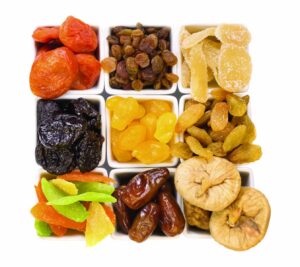
None of this requires a cooler bag or a kitchen. It just requires the dates to already be in the car before the day starts, since nothing gets bought mid-route that wasn't already planned. Stocking the van from a dates fruit range that includes a few varieties keeps it from getting boring on a five-day route, and ordering through a dates wholesale supplier means the glove box never runs empty mid-week. More on eating on the move is under healthy food.