
[caption id="attachment_2701" align="alignnone" width="300"]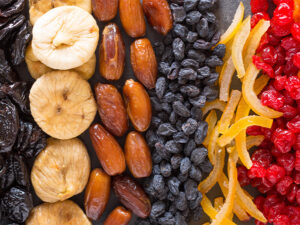 Screen Moment/Stocksy United[/caption]
The part nobody warns you about: eating with other people
Most raw-food-diet guides cover what to buy and how to prep it at home. Almost none of them cover Tuesday lunch with coworkers, or a wedding dinner, or your mother-in-law's kitchen. That's the part that actually derails people, and it's worth planning for before it happens rather than improvising in the moment.
Restaurants are the easiest case, oddly enough. A salad bar or a Middle Eastern or Japanese menu usually has something workable — raw vegetables, sashimi, hummus without the pita. Ask for dressing on the side; most restaurant dressings are cooked and sweetened. The harder case is a set-menu dinner where there's no substitution. Eat a bigger raw meal beforehand and treat the dinner as a social obligation, not a nutrition event. Nobody needs to know.
Travel and packed food
Airports and long car rides are where raw diets usually break down, because almost everything sold at a rest stop is processed and hot. Pack food that survives a few hours without refrigeration: whole fruit, carrot and cucumber sticks, a bag of dates. Dates in particular travel well — no bruising, no need to keep them cold, and a handful covers the stretch between meals better than a vending-machine bar does. Buy a kilogram before a trip rather than a small snack pack; it costs less and you won't run out on day two.
Family meals that weren't planned around you
If you live with people who aren't doing this diet, the kitchen will keep producing cooked food. Rather than cooking two separate dinners, take the raw components off the same meal — the vegetables before they hit the pan, the fruit that was going into a dessert — and build your plate from those. It takes some negotiation with whoever's cooking, but it's less friction than a fully separate meal plan.
What actually goes wrong in month one
The two failure points are boredom and low blood sugar from skipping meals rather than adapting them. Boredom shows up around week two, when the novelty of smoothies wears off. Low blood sugar shows up when a social event has nothing raw on offer and you just don't eat, then overcorrect later with whatever's easiest. Carrying something sweet and dense — dates work for this — closes that gap without needing a kitchen.
None of this requires giving up a social life. It requires carrying food with you more often than you're used to, and picking your battles about which meals are worth explaining yourself over.
If dates are becoming a regular part of your bag, our home page has a look at what we currently carry. Questions about sourcing or bulk orders go through Contact Us, and About Us has more on who we are.