
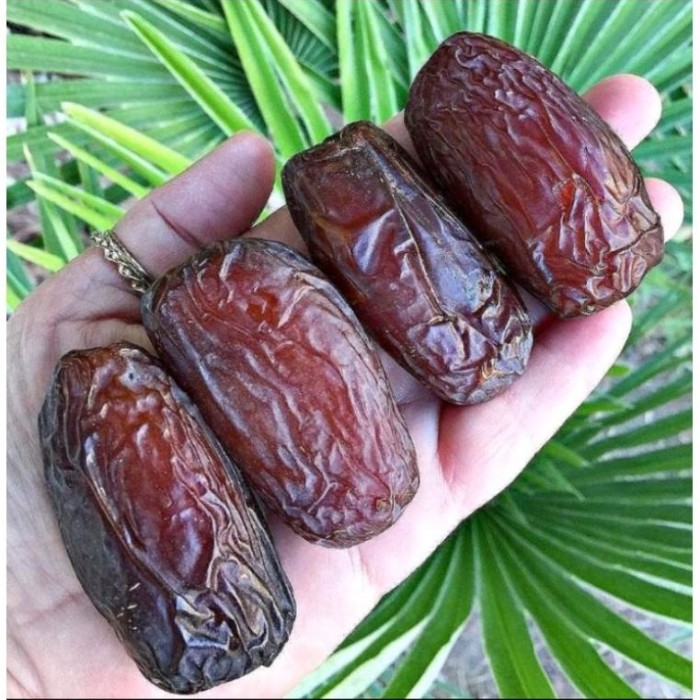
How Medjool from Palestine actually moves through a distributor
Before a carton of Kurma medjool Palestine reaches a Malaysian shelf, it passes through a chain most buyers never see: pack house in the Jordan Valley, cold-store, freight forwarder, port clearance, then a local distributor's own warehouse. Each step adds handling time, and each handling step is a chance for temperature to drift and quality to slip if the chain isn't managed properly.
Packing formats that matter to a B2B buyer
Medjool for export is typically packed in 5kg cartons for retail repacking, or vacuum-sealed 1kg trays for direct shelf placement. A distributor moving volume will usually ask for the 5kg format and portion it locally, since it costs less to ship and gives more control over how the dates are re-packed for Malaysian retail. If you're sourcing as a business rather than buying retail, ask which format a supplier ships in — it changes your landed cost per kilo more than most people expect.
Phytosanitary and customs basics
Dates entering Malaysia from Palestine require a phytosanitary certificate from the country of origin and clear customs under the relevant food-import code. A distributor with proper documentation can produce these on request; one that can't, or is vague about it, is a signal to look elsewhere. This isn't a formality that only matters to customs officers — a shipment held up at port for missing paperwork sits in uncontrolled conditions, and that's exactly the kind of delay that dries out or damages a batch before it ever reaches a shelf.
Cold-chain handling after arrival
Once cleared, Medjool should move into cold storage at 0-4°C for short-term holding or frozen storage for longer runs, not left at ambient warehouse temperature. Malaysia's climate makes this non-negotiable — a few days sitting in a humid, un-cooled warehouse can push moisture into the dates and shorten shelf life noticeably. A distributor's storage practice is worth asking about directly; see our earlier post on date varieties and wholesale sourcing practices for more on what to look for in a supplier relationship.
What this means for the buyer
None of this changes the taste of a properly handled Medjool. What it changes is consistency — whether the batch you get in March matches the one you got in November. A distributor who can speak plainly about packing format, documentation, and cold-chain handling is usually the one whose stock tastes the same every time you order it.