
Restaurants, dessert cafés and bakeries buying dates for kitchen use have different needs than a retail shop selling boxed dates, and a distributor who understands that split can serve both without stocking twice as much inventory.
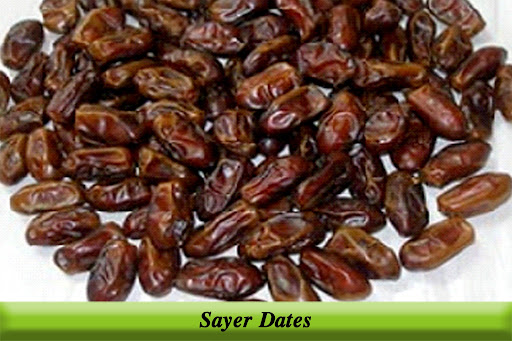
Sayer, grown in Khuzestan province in Iran, is one variety worth carrying specifically for the F&B trade. It's soft, high in natural sugar, and its main commercial role is as an ingredient — pressed into syrup, boiled into paste, or blended into desserts — rather than sold whole as a snacking date. That makes it a lower price point per kilo than a premium eating variety, which matters to a kitchen buying in volume every week rather than a shopper buying a small box occasionally.
Sayer dates distributed to commercial kitchens should generally be processing grade rather than cosmetically graded retail stock — it's cheaper, and once it's pitted and blended into dates syrup or paste, appearance doesn't matter. Distributors who can clearly separate and price these two grades tend to win repeat business from F&B buyers who don't want to pay a retail premium for an ingredient that's about to be cooked down anyway.
Delivery and storage matter more with Sayer than with a firmer variety — its higher moisture content means it needs consistent refrigeration through the supply chain, and kitchens should be told to keep it sealed and chilled rather than left out at room temperature in a warm prep area, where it clumps and can start to ferment within days.
For contrast, Medjool dates are the better fit for a dessert that needs whole, presentable pieces — a garnish, a stuffed date dessert, a display case. Positioning Sayer as the "cooking date" and Medjool as the "presentation date" in your product catalogue helps buyers order the right one the first time.
Browse our Sayer Dates category for current stock, or see the full catalogue on the home page.