
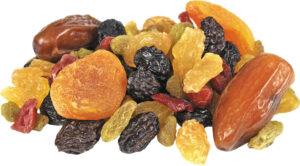
A kid's lunchbox is where junk food swaps either stick for years or get traded away at recess. What goes in matters less than whether it survives contact with an 8-year-old.
Sweet, without the sugar crash before recess
Chocolate-coated biscuits give a fast sugar spike and a flatter mid-morning afterward — teachers notice the difference by 11am. A small box of pitted Medjool dates, chopped into 2–3 pieces each, gives sweetness with fibre attached, so the drop-off is slower. Pack them pitted; whole dates with the seed in are a choking risk for younger kids and a mess for older ones.
What survives a backpack
Anything that melts, crushes, or leaks gets left uneaten and the swap gets abandoned by week two. Dried fruit, dates and roasted nuts (skip nuts if the school has a nut policy) hold their shape at the bottom of a bag all day, which chocolate and most fruit don't.
The trade problem
Kids trade lunchbox items with each other, and a healthy swap that looks and tastes plain gets traded away for whatever the other kid brought. A few dates stuffed with a bit of nut butter, or rolled in crushed nuts, reads as a treat rather than a health food — it survives the trade far better than a plain rice cake does.
Portioning so it's not the whole box
A dedicated small container with 4–5 dates or a small handful of dried fruit reads as a snack. The full bag emptied into the lunchbox reads as "too much" to a kid and often comes home untouched. Portion it the night before into small reusable containers — it takes under a minute once it's a habit.
Buying so it doesn't run out mid-week
School snacks get used up faster than adults expect — plan for one date or one small handful per school day, which is 20+ a month per child. Buying from a dates distributor in a size meant for a household, rather than single-serve packs, keeps the swap from quietly disappearing back to whatever's in the pantry when the box runs low on a Wednesday.