
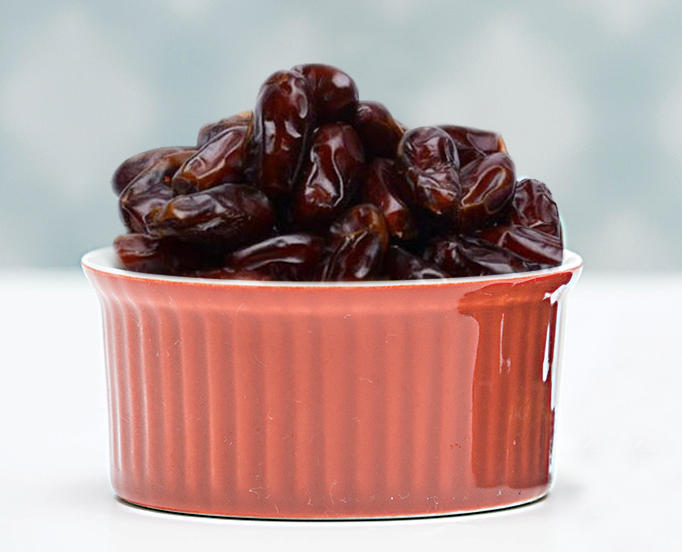
Getting Sayer dates from a Khuzestan farm to a Malaysian distributor's warehouse is a different logistics job than moving a drier variety like Zahedi or Deglet Noor. Sayer is soft, high-moisture and sticky, so the way it's packed and shipped matters as much as the price you agree on.
The fruit is harvested from around September in Iran's Khuzestan province, cured to the tamr stage, then usually packed in smaller cartons than firmer varieties — large boxes risk the bottom layer getting crushed under the weight of fruit above it. Reputable exporters will ship it refrigerated or at least in a controlled cargo hold; anything that sits in an unrefrigerated container through a long sea transit run risks arriving overly soft or fermenting at the edges.
For a distributor receiving Iranian Sayer dates in Malaysia, the first check on arrival should be moisture and smell — a faint alcohol or vinegar note means fermentation has started, usually from a temperature lapse somewhere in transit. Sort and refrigerate immediately; don't leave freshly arrived Sayer sitting at ambient warehouse temperature, especially in humid weather.
Once in local distribution, Sayer's shelf life is shorter than a drier date if kept at room temperature — plan for faster turnover through retailers and processors rather than long warehouse storage. Buyers who use it for paste or syrup production are usually more forgiving of minor cosmetic breakage, which gives a distributor a useful way to move a batch that didn't arrive in perfect whole-fruit condition without writing it off.
Pricing typically splits into two tiers: whole-fruit grade for retail, and a cheaper processing grade for paste/syrup buyers. Knowing which tier a shipment falls into before it leaves Iran avoids disputes with retail customers expecting cosmetically uniform fruit.
See our current dates supplier in Malaysia listings for available stock, or browse the full range including premium dates on the home page.