
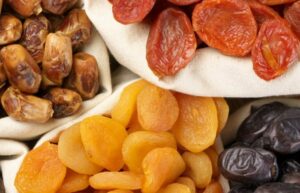
Long drives to a campsite come with their own eating problem. You're stuck in a seat, both hands are sometimes on the wheel, and there's no fridge until you arrive. The food that works best isn't the healthiest option on paper — it's the one that survives a few hours in a hot glovebox and doesn't need a spoon.
Dried dates solve most of that on their own. A handful of Safawi or Ajwa dates sits fine in a sealed container at car-interior temperature, which can climb past 50°C parked in the sun, without spoiling the way yoghurt, cut fruit or anything with mayonnaise would. Peel back the lid, eat with one hand, no crumbs on the seat.
Pair them with something salty so you're not just eating sugar for the whole drive. Roasted almonds or chickpeas travel the same way. Skip chips — the bag punctures in a packed boot and you end up with crumbs everywhere the moment you hit a pothole.
Once you're actually at the campsite, plan differently. That's when a cooler box matters, because meat, dairy and cut produce start turning fast in Malaysia's daytime heat. If you want the details on how far you can push storage times before that happens, this guide on storing and shipping kurma in Malaysia's climate covers it properly. Dried dates and nuts don't care either way, which is why they're worth packing twice — once for the drive, once as a backup snack at the site if the cooler runs low on ice by day two.
Travelling with kids, portion the dates into small bags before you leave rather than handing over the whole box. It's the difference between one calm "here's yours" and them digging into a shared bag every ten minutes while you're trying to watch the road.
Where you buy from matters here too. Dates that have sat loose in a warm shop for weeks are already drier and tougher by the time they reach your car. We carry kurma with proper stock turnover, and if you want to see what actually separates the varieties before you pack a bag, this rundown of local and imported kurma is worth a read first.