
Sourcing Ajwa is a distributor's real job, not just resale
Borong Kurma Ajwa Malaysia depends on what happens before a carton ever reaches a Malaysian warehouse. Ajwa only grows around Madinah, so every legitimate lot traces back to a farm or cooperative there, gets graded and packed, then moves through cold-chain shipping to arrive here weeks later. A distributor's actual value is in that chain — picking reliable farms, checking each shipment, and rejecting what doesn't meet grade — not in simply having stock to sell.
Why two "Ajwa" cartons from the same season can differ
Harvest timing, tree age, and how quickly a lot was dried after picking all affect the final date — even within a single Madinah harvest. An early-harvest lot tends to be firmer and less sweet; a later lot softer and darker. Neither is fake, but a distributor who blends lots without tracking this can hand a retailer inconsistent stock month to month, which shows up as customer complaints the retailer can't explain.
What a quality check looks like on arrival
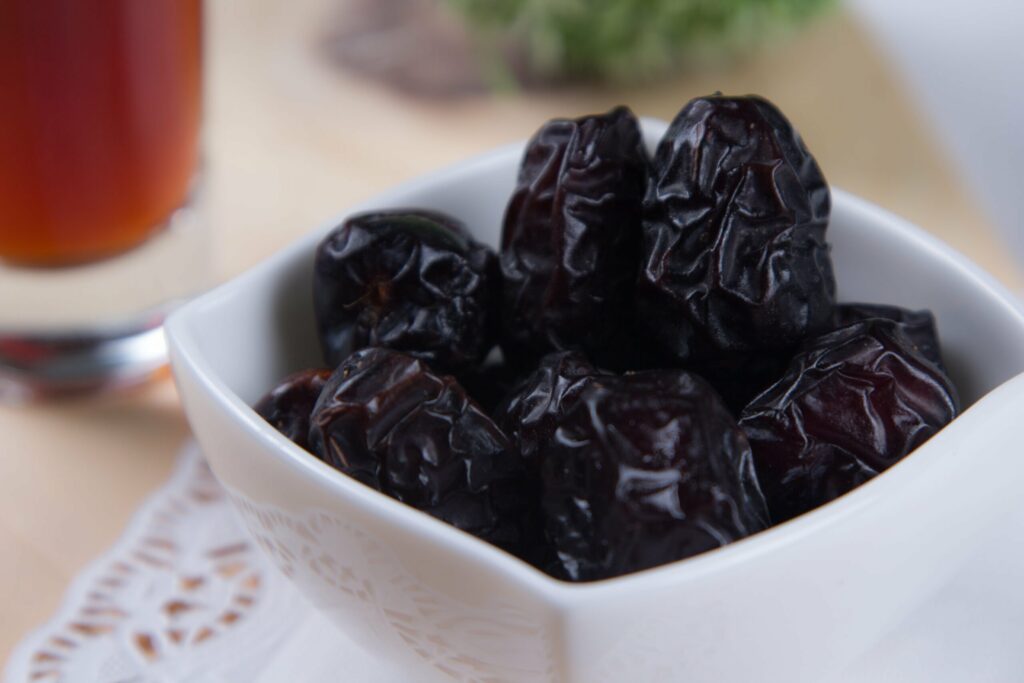
Each incoming shipment gets opened and sampled, not just counted. A genuine Madinah Ajwa is dark brown to near-black, matte-skinned, and firm without being hard or glassy. Signs to reject a lot: a fermented smell, a sticky sugar-bloom coating on most of the dates, or visible mould at the stem end. Weight is checked against the manifest too — a carton short by more than a small margin usually means it was repacked somewhere along the route, which is worth questioning before it goes to a buyer.
Cold-chain handling between port and warehouse
Ajwa is relatively low-moisture and forgiving compared to soft varieties, but heat exposure during transit still accelerates hardening and dulls the flavour. Stock that sat in a non-refrigerated container for an extended transfer window ages faster on the shelf than stock moved under consistent cool storage, even if both look identical on the day they arrive.
What this means if you're buying from a distributor, not importing directly
Ask a distributor how they check incoming lots and how they handle a rejected shipment — a distributor with no answer beyond "we buy from Saudi Arabia" is passing you their sourcing risk unfiltered. A distributor who can describe a rejection they made, and why, is one who is actually doing the filtering that makes wholesale buying worth it over sourcing a carton yourself. That same filtering discipline applies to sourcing generally — see how it plays out for dates bought outside the Ajwa line too.
For more on pricing across grades, see our grading and pricing guide, our Medjool price comparison for buyers weighing varieties, and our storage and shipping guide for what happens to stock after it reaches you.
Key takeaways
- Ajwa traces to Madinah only; a distributor's real value is in vetting that supply chain, not just holding stock.
- Lot-to-lot variation within one harvest is normal — a distributor should track it, not blend it away silently.
- Reject signs on arrival: fermented smell, heavy sugar bloom, mould at the stem, or a short-weight carton.
- Ask a distributor how they check and reject shipments before trusting their stock at volume.